
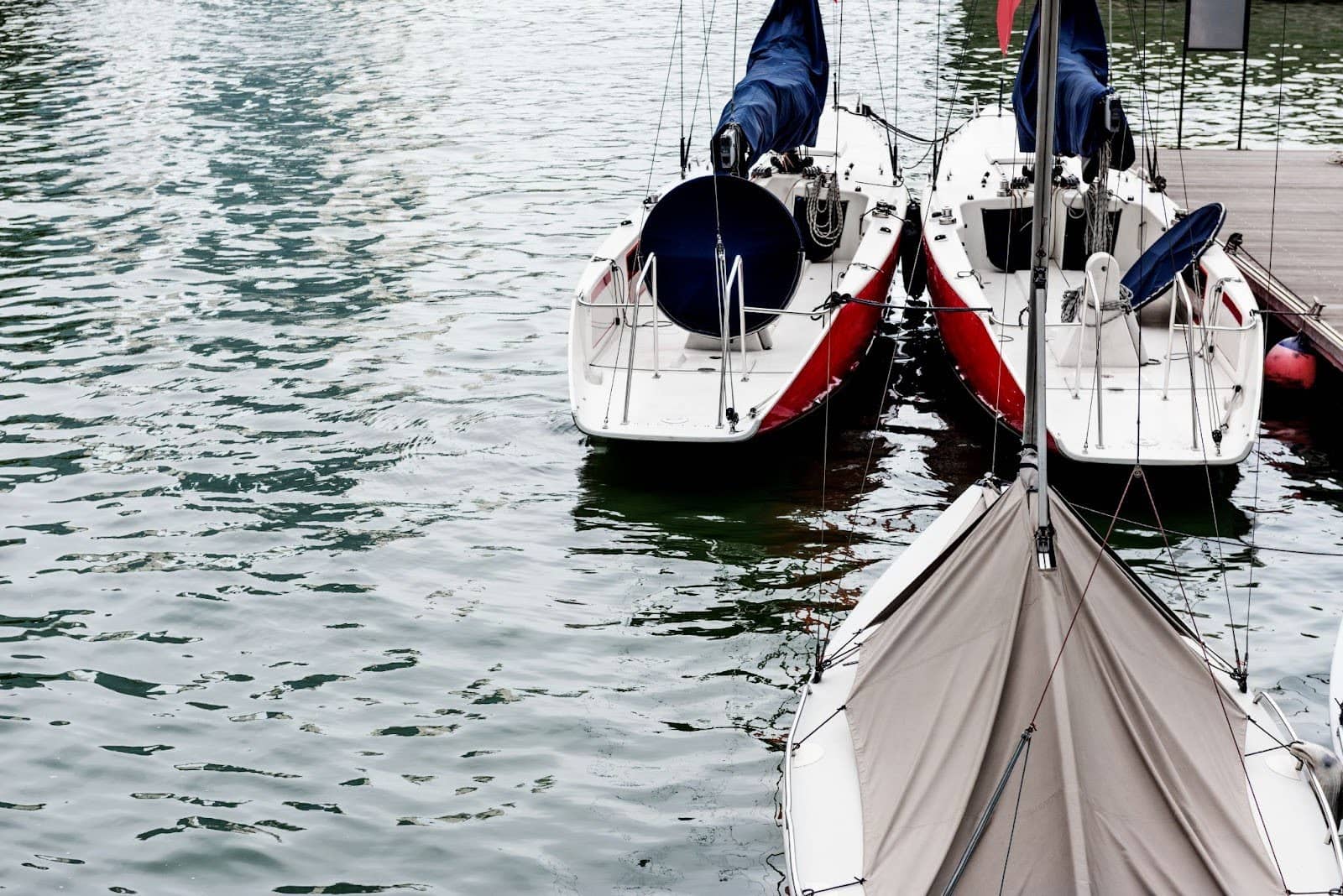
Business Strategy How Recreational Pleasure Craft 20 Feet Or Under Are Dominating The Marine Industry
When people think about the marine industry, they often picture luxury yachts or large offshore vessels. In reality, the majority of boats produced and sold each year are far smaller. Recreational pleasure craft under 20 feet in length represent the largest segment of the market and form the foundation of boating participation.
From aluminum fishing boats to compact runabouts and small center consoles, these vessels account for a significant share of annual production. For manufacturers and suppliers across the marine sector, this segment drives the greatest volume of activity.
Accessibility Drives Participation
The popularity of smaller boats is largely tied to accessibility. For many consumers, vessels under 20 feet provide an affordable and manageable entry point into boating.
Compared to larger boats, these models require a lower initial investment while still delivering the experiences most recreational users seek: fishing, watersports, cruising, or spending time on the water with family and friends. Their smaller size also makes them easier to operate, which helps to attract new boat owners and encourages broader participation in boating.
Trailerability and Infrastructure
Another key advantage of boats under 20 feet is their trailerability. Most can be transported using standard vehicles such as SUVs or light trucks, which allows owners to store their boats at home and tow them to different waterways.
This flexibility eliminates the need for marina slips or permanent storage to reduce long-term ownership costs. At the same time, many lakes, rivers, and coastal areas provide public launch ramps designed specifically for trailerable vessels. This infrastructure makes it easy for recreational boaters to access the water without relying on commercial marina facilities.
Lower Ownership Complexity
Smaller recreational boats also benefit from a simpler ownership model. Many are powered by outboard engines, which are easier to maintain and service compared to the more complex propulsion systems found on larger vessels.
Storage, seasonal maintenance, and transportation are typically more manageable, as well. For many households, this balance between enjoyment and practicality makes smaller boats the most realistic way to participate in recreational boating.
Manufacturing at Recreational Scale
While large yachts often attract attention, the production reality of the marine industry is defined by high volumes of smaller boats. Thousands of recreational vessels are manufactured each year to meet steady consumer demand.
Supporting this scale requires a manufacturing ecosystem capable of producing reliable components with consistent quality. Many marine systems depend on precision-machined parts that must withstand vibration, mechanical stress, and constant exposure to water. Maintaining tight tolerances and repeatable production processes is essential to ensure these components perform reliably across large production runs.
The Foundation of the Marine Market
Boats under 20 feet continue to dominate the marine industry because they align closely with how people use boats today: short recreational outings, flexible access to waterways, and manageable ownership costs.
Although larger vessels often capture attention, it is the widespread use of smaller recreational craft that sustains participation in boating and drives much of the industry’s manufacturing activity. Understanding this segment offers valuable insight into the structure of the marine market and the systems that support it.